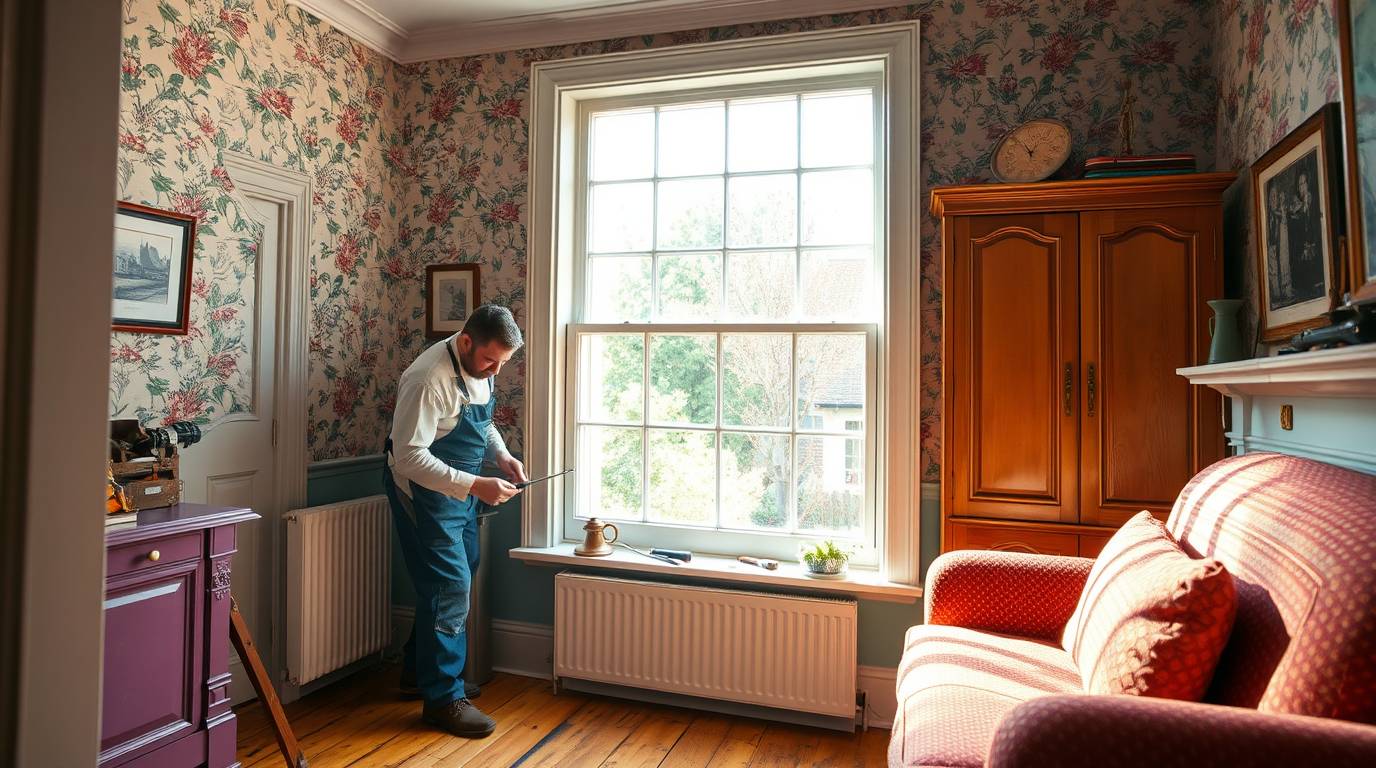
Timber sash windows bring charm and elegance to period homes across the UK, but like all heritage features, they are prone to wear and age-related issues. Whether you’ve recently moved into a property with original windows or you’re managing long-term upkeep, knowing the most common problems and their solutions will help protect your investment and keep your windows functional for years to come.
1. Sticking or Jammed Sashes
One of the most frequent problems with sash windows is sticking or immovable sashes. This can be caused by several factors, including excess paint buildup, warped timber, or poorly aligned pulleys and cords.
Solution: Start by checking whether the paint has sealed the sash to the frame. Carefully scoring the edges with a sharp knife may release it. If the problem is structural, planing and realigning the sashes or replacing swollen parting beads may be necessary. In older properties, a joiner familiar with sash repair should assess any warping before irreversible damage occurs.
2. Broken or Frayed Sash Cords
Sash cords connect the window sash to the counterweight system hidden in the frame. Over time, these cords can fray or snap, leaving the sash unbalanced or difficult to operate.
Solution: Replacing the sash cords requires opening the sash box, removing the sashes, and fitting new waxed cotton or nylon cords of appropriate length and tension. While this can be attempted by experienced DIYers, most homeowners choose a professional to avoid damaging fragile frames or glass.
3. Rattling and Draughts
Draughts and rattles are tell-tale signs of ageing sash windows. As timber contracts and gaps develop, cold air and noise can enter the home. In addition to discomfort, this can increase heating bills and reduce energy efficiency.
Solution: Professional draught-proofing involves fitting brush seals into the staff and parting beads, as well as adjusting meeting rails to ensure a snug fit. Modern draught seals are designed to be discreet and do not impact the visual integrity of the window. Draught-proofing also helps with noise reduction and smoother sash movement.
4. Timber Rot and Decay
Rot typically starts in moisture-prone areas such as the bottom rail, sash corners, or the window sill. This occurs when water is absorbed into the timber due to failed paintwork, blocked drainage, or general wear over time.
Solution: Minor rot may be repaired using a timber resin filler after cutting away soft areas and treating the surrounding wood. In more serious cases, the affected section can be removed and replaced with a spliced timber repair using a matching grain and profile. Always prime and repaint the area with breathable materials to avoid trapping moisture again.
5. Loose or Cracked Glazing Putty
Putty holds the glass panes in place and seals them against the weather. Over time, it can dry out, crack, or fall away, allowing water to enter and cause further damage.
Solution: Remove any loose or failing putty and clean the rebate thoroughly. Apply new linseed oil putty (or an approved heritage-friendly alternative), taking care not to damage the timber or glass. Once set, repaint the area to protect it from UV and moisture.
6. Misaligned or Noisy Weights
If you hear banging or clunking noises inside the sash box when moving the window, the sash weights may be hitting the frame or have come off their cords. This can cause imbalances and wear on the cords or pulleys.
Solution: Realigning or replacing the weights usually involves opening the sash box and reattaching or adjusting the cord lengths. Weights must be correctly matched to the sash for smooth and safe operation.
7. Failed Paint and Weatherproofing
Timber needs to be protected from the elements. If paint begins to flake, crack, or peel, water can enter the grain and accelerate decay. Many period sash windows show signs of years of overpainting, which hides damage and restricts movement.
Solution: Strip back failed paint layers carefully, sand the wood lightly, and apply a breathable primer followed by exterior-grade microporous paint. Avoid using modern plastic-based paints, as these trap moisture and encourage rot from within.
8. Condensation and Single Glazing Issues
Original sash windows are often single-glazed, making them prone to condensation in colder months. This can lead to mould growth, timber staining, and an uncomfortable living environment.
Solution: Improve internal ventilation first. Installing secondary glazing or slimline double glazing (where permitted) can reduce condensation while maintaining period appearance. Draught-proofing and good maintenance also help regulate temperature and air flow.
Preventative Maintenance Tips
Regular maintenance is the best way to avoid these issues altogether. Here are a few tips:
- Inspect sashes every spring and autumn for signs of wear or damage
- Clean channels and check drainage holes to prevent water build-up
- Repaint exterior timber every 5–7 years
- Keep sashes moving—use them regularly to avoid sticking or jamming
- Don’t ignore small draughts—they usually get worse with time
Investing in periodic professional maintenance can extend the lifespan of your sash windows by decades and save on costly restoration later.
Conclusion
From frayed cords to timber rot, most sash window issues develop gradually and are repairable with the right knowledge and approach. The key is early identification, sympathetic materials, and working with specialists who understand traditional sash design. Repairing rather than replacing helps retain the unique architectural value of your home and often complies with heritage conservation requirements.
For professional advice or repairs, visit Traditional Timber Window Repair Specialists. We offer trusted solutions to restore sash windows across heritage homes, Georgian properties, and period buildings.
Contact us today to find out more.

The Most Common Timber Sash Window Issues (And How to Fix Them) Services:
- Sash Window Repairs
- Sash Window Renovations
- Sash Window Double Glazing
- Sash Window Replacement
- Sash Window Draught Proofing